Why It Matters for Babies & Toddlers
At Kids Aquatic Survival School (KASS), we prioritise the skills that save lives. In every lesson, breath control is established first, forming the foundation for safe, effective survival swimming.
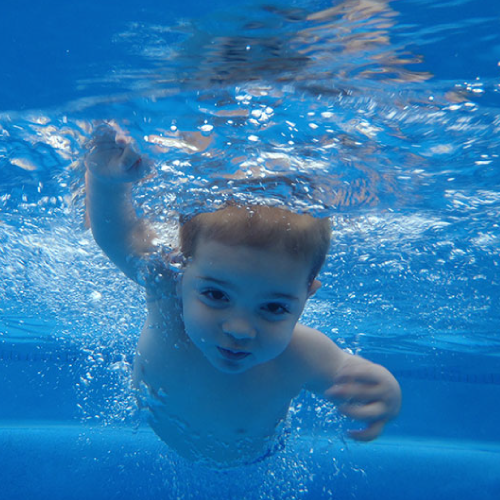
Once breath control is mastered, our instructors carefully assess your child’s head orientation and body position — two critical components of strong water safety skills, especially for infants and toddlers.
Why Head Position is Critical for Young Children
Infants and toddlers have proportionately larger heads compared to the rest of their body. This natural body structure affects how they move through the water.
For effective aquatic survival swimming, the correct posture is:
- Face down (head in line with spine)
- Feet near the surface
- Streamlined horizontal body position
When a child swims with their head lifted up and out of the water, their body drops into a vertical position. This makes swimming:
- Less efficient
- More tiring
- Harder to control
- Unsafe in a real emergency situation
Proper head orientation supports efficient movement, endurance, and the ability to roll and float independently — a core survival skill taught at KASS.
Why Do Some Children Swim with Their Head Up?
After school holidays or extended breaks from lessons, we sometimes see children revert to swimming with their head up. There are several common reasons for this:
1. Goggle Dependency
Overuse of goggles can create reliance. If a child believes they cannot swim without goggles, they may refuse to put their face in the water during lessons.
This can become a genuine water safety risk.
In a real-life aquatic emergency:
- Your child will likely be fully clothed
- They will not be wearing goggles
- Water may be murky or unclear
One of the key benefits of baby swimming lessons and toddler survival swim programs is ensuring your child can confidently submerge their face without equipment.
Remember — many toddlers spent years swimming as babies without goggles. Developing independence from goggles supports stronger drowning prevention skills.
2. Bath Time Habits
Children often lie on their belly in the bath with their chin lifted. This reinforces a head-up posture, which can transfer into swimming.
While harmless in the bath, this position is inefficient and unsafe for survival swimming technique.
3. Increased Strength
As children grow stronger, they may discover they can physically swim with their head out of the water.
However, this position:
- Uses more energy
- Causes faster fatigue
- Reduces breathing efficiency
- Compromises proper roll-to-float skills
At KASS, we teach children not just to swim — but to survive. Efficient technique ensures they can conserve energy and transition safely to a float if needed.
Don’t Try to Fix It Yourself
If you notice your child swimming with their head up, please don’t attempt to correct it at home.
KASS instructors are specially trained in remediation techniques for head orientation and body posture. In many cases, adjustments can be made within just a few lessons.
Trying to fix it yourself may:
- Create confusion
- Reinforce incorrect movement patterns
- Negatively impact your child’s survival swim technique
Consistency creates competency — and professional guidance ensures long-term aquatic safety outcomes.
Our Commitment to Drowning Prevention
At Kids Aquatic Survival School, our structured infant and toddler swimming lessons focus on:
- Breath control
- Independent swimming
- Correct head alignment
- Efficient body posture
- Roll-to-float survival skills
Every skill we teach supports one goal: reducing drowning risk and building confident, capable swimmers.
Want to Learn More?
To find out more about our baby swimming lessons, toddler survival swim programs, or water safety training, contact our team:
Call 1800 543 779
Email us at [email protected]
Kids Aquatic Survival School – Building Safer Swimmers for Life.
#DrowningPrevention #WaterSafety #SurvivalSwim #BabySwimming #ToddlerSwimming #ConsistencyCreatesCompetency