Why Water Safety Is More Than Swimming Lessons
Water safety is not a single skill — it is an attitude built through repeated, purposeful experiences. The behaviours children learn in and around water directly shape how they respond in real-life aquatic situations. That’s why behaviour around water is just as important as swimming ability.
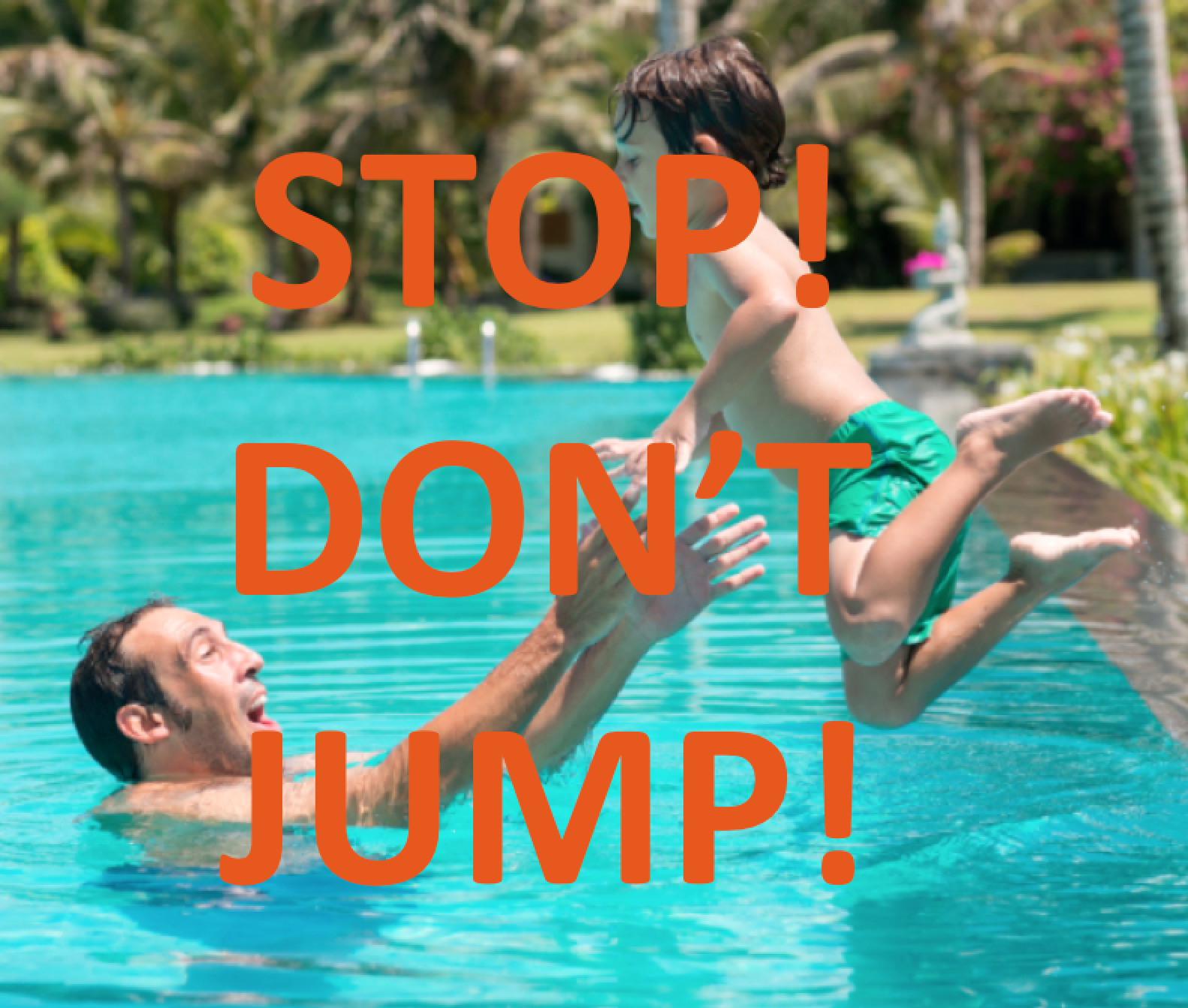
The Hidden Risk of “Jump In, I’ll Catch You”
Many traditional swimming approaches encourage head-first entries, jumping entries, or playful falls into the water, where a child jumps in and is immediately rescued by a parent or instructor.
While these activities may seem harmless or fun, they can unintentionally create dangerous water behaviours, especially for young children.
Children aged 2 to 7 years are in the pre-operational stage of cognitive development. At this age, learning occurs primarily through repetition, which strengthens neural pathways in the brain.
When children repeatedly hear:
- “1, 2, 3… jump!”
- “I’ll catch you!”
- Songs like Humpty Dumpty while falling into water
They learn to associate falling into water with being rescued. This creates a false sense of security — and a critical question remains:
- What happens when no one is there to catch them?
Children Don’t Perceive Danger — Adults Must
Children are naturally curious and inquisitive. They do not have the ability to assess risk or recognise unsafe aquatic environments.
As parents, carers, educators, and as a community, it is our responsibility to:
- Protect children
- Provide constant supervision
- Equip them with realistic survival skills
This doesn’t mean eliminating all risk — that’s not realistic. Instead, children must be taught how to respond appropriately when faced with danger in and around water.
Drowning Statistics in Australia You Need to Know
According to the Royal Life Saving National Drowning Report (Australia):
- 64% of toddler drownings occur when the child is not being supervised
- Accidental falls into water are the leading activity prior to drowning for children under 5
- Swimming pools account for 67% of drowning deaths in children under 5
- 71% of drownings occur in a pool at the child’s primary residence
These statistics reinforce one thing: survival skills matter.
Why Aquatic Survival Skills Save Lives
“Many Australian children enter an aquatic experience without understanding their personal capabilities or limitations. It is vitally important we provide children with progressive aquatic skill development that prepares them for real-world environments.”
— Justin Scarr, CEO Royal Life Saving Australia
When children learn aquatic survival skills, those skills transfer across all aquatic environments — pools, beaches, rivers, and waterways.
As children grow from early childhood into adolescence, survival-based water education helps them:
- Understand their limitations
- Avoid overestimating their abilities
- Make safer decisions around water
Survival Comes Before Independence
Yes, children need to learn safe water entry practices — but only after they are skilled enough to survive in the water independently.
At Kids Aquatic Survival School, we prioritise:
- Floating
- Breath control
- Orientation
- Safe recovery
- Realistic, age-appropriate water survival skills
That’s why we do not encourage children to jump into water until they are fully skilled and developmentally ready.
Choose Water Safety That Truly Protects Your Child
If you’re looking for a Sydney-based learn-to-swim and aquatic survival program that puts safety first, we’re here to help.
Call 1800 543 779 to learn more
Because survival skills save lives
#FloatingSavesLive