Children need to be competent in survival skills before they learn to play
At Kids Aquatic Survival School (KASS), we believe one principle saves lives: safety before smiles. Children must first develop genuine survival skills before play, games, or recreational swimming.
Parents searching for infant swim lessons, toddler swimming lessons, drowning prevention for children, or water safety classes near me are often surprised to learn that fun alone does not equal safety. True protection comes from competence — the ability to survive in water independently.
Why Young Children Need Firm Safety Boundaries Around Water
Young children are naturally curious, adventurous, and unaware of danger. Just as we enforce strict rules for car seats, road safety, and helmets, we must apply the same non-negotiable boundaries around water.
Effective water safety boundaries include:
Never accessing water without an adult
Holding hands near pools, beaches, and waterways
Following pool rules consistently
Understanding that water is not a toy
These boundaries build lifelong safe behaviours and reduce risk in everyday environments.
Drowning Risk for Children Under 5 in Australia
Australia’s warm climate and high number of backyard pools make water safety education essential. National data consistently shows that children under five years old are at the greatest risk of drowning, with home swimming pools the most common location.
Key prevention strategies recommended by water safety authorities include:
Active, constant adult supervision
Restricting unsupervised access to water (fencing, gates, covers)
Early water safety education
CPR and resuscitation training
Even brief lapses in supervision can lead to tragedy, particularly during routine household activities.
Understanding How and Why Young Children Drown
Preventing drowning starts with understanding the circumstances in which it occurs:
Many incidents follow accidental falls into water
Lack of supervision is a major factor
Most events occur at the child’s own home
Swimming pools account for the majority of fatalities
These realities highlight why children need skills that work when adults cannot reach them immediately.
Water Confidence Without Competence Is Dangerous
Traditional swimming experiences sometimes prioritise fun, comfort, or assisted movement. While enjoyable, these approaches can unintentionally create a false sense of ability.
Factors that may reduce real safety include:
Constant physical support from adults
Reliance on flotation devices or swim aids
Upright “play” positions that don’t teach floating
Skills that only work in calm, controlled conditions
A confident child without survival ability may take risks beyond their capability.
Why Survival Skills Must Come Before Swimming Skills
At Kids Aquatic Survival School, we focus on teaching children to survive first, then swim. Survival skills prepare children for unexpected water entry — the most common scenario in childhood drowning.
What Water Competence Means at KASS
A child who completes our survival program can independently:
Recover from an unexpected fall into water
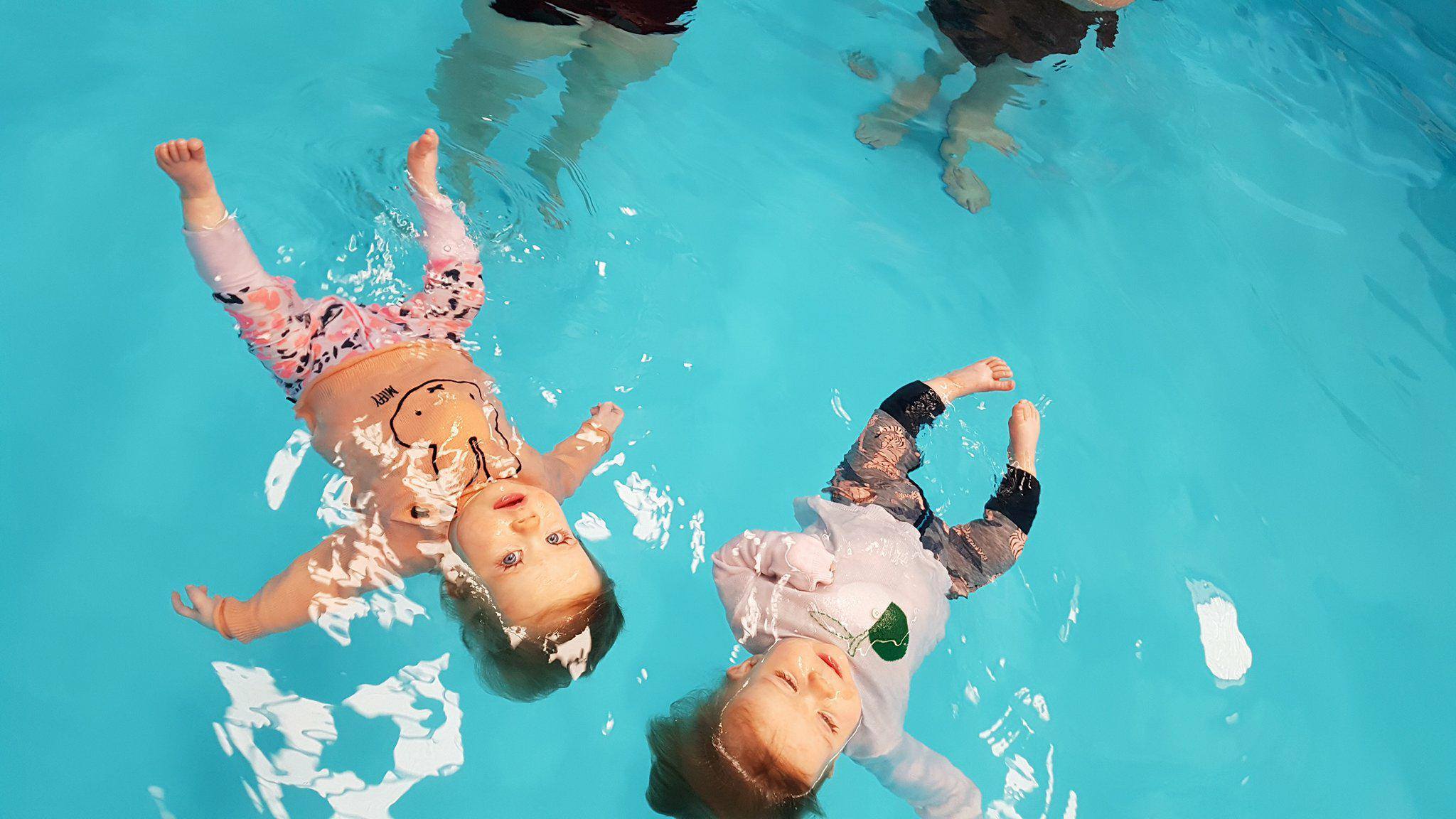
Roll from face-down to face-up
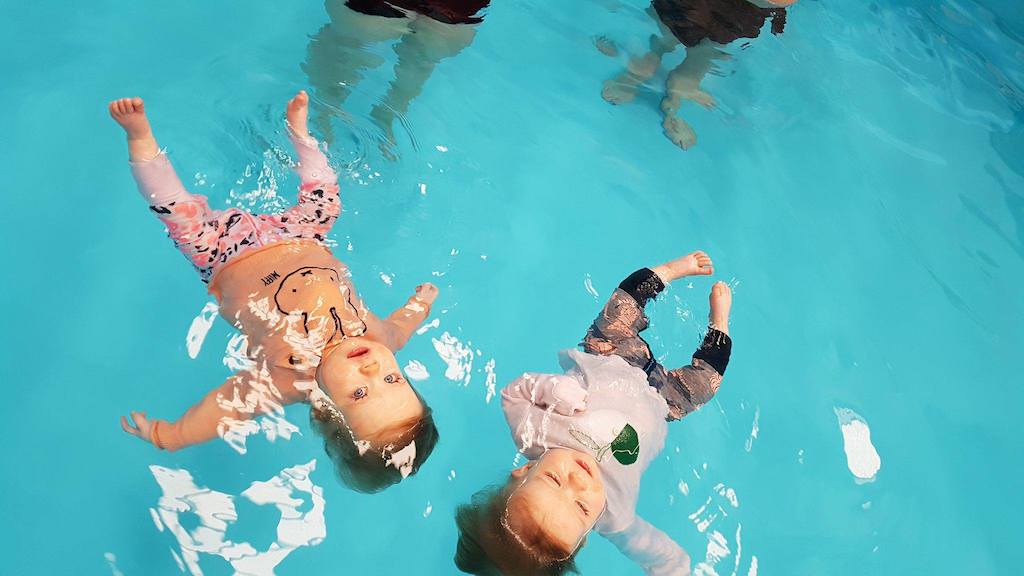
Float on their back for at least 60 seconds
Rest, breathe, and remain calm
Swim-float-swim toward safety (for walking-age children)
These skills significantly increase the likelihood of survival until help arrives.
When Tears Happen During Survival Lessons
Learning life-saving skills can be challenging, especially for very young children. Tears or resistance may occur because:
The environment is unfamiliar
The child is tired, hungry, or overstimulated
They are building trust with instructors
They are asserting independence
This reaction is normal and comparable to other safety measures, such as being secured in a car seat. It may not always be enjoyable, but it is protective.
At KASS, instructors are trained to respond with empathy while maintaining clear safety expectations. As skills develop, fear decreases and confidence grows.
From Fear to Confidence: The KASS Transformation
As children gain control in the water, their experience changes dramatically:
Anxiety reduces
Independence increases
Understanding replaces fear
Confidence becomes grounded in real ability
Eventually, the tears fade — replaced not just by smiles, but by skills that could save a life.
Survival Swim Lessons for Babies, Toddlers, and Young Children
If you are searching for:
Infant swimming lessons (6 months+)
Toddler swim classes near me
Survival swim schools in Australia
Drowning prevention programs for children
Water safety training for young kids
Accelerated learn-to-swim programs
Kids Aquatic Survival School provides specialised instruction focused on real-world safety outcomes.
Give Your Child the Gift of Water Safety
Teaching survival skills today protects children as they grow — from toddler years through adolescence and beyond.
Call: 1800 543 789
Email: [email protected]
Safety first. Smiles second. Skills for life.
Keywords: survival swim lessons, infant swim lessons Australia, toddler swimming lessons, drowning prevention children, water safety education, swim float survive, baby swimming lessons, pool safety toddlers, kids aquatic survival school
#SurvivalSwimmingSkills #FloatToSurvive #FloatingSavesLives #WaterSafety #DrowningPrevention #KidsAquaticSurvivalSchool