At Kids Aquatic Survival School (KASS), we teach one of the most powerful life-saving skills a child can learn: how to float on their back independently. Back floating is not just a swimming skill — it is a survival skill that could save your child’s life.
Parents searching for infant swim lessons, toddler water safety, drowning prevention for children, or how to teach a child to float should know that the ability to float calmly and breathe can be the difference between life and tragedy.
Why Back Floating Is Essential for Water Safety
Back floating allows a child to remain buoyant with their face above water while using minimal energy. This horizontal position supports effective breathing, calmness, and endurance — all crucial in an aquatic emergency.
Key benefits of back floating include:
Keeps airways clear for breathing
Requires very little strength or stamina
Works in pools, beaches, lakes, and rivers
Helps prevent panic and exhaustion
Buys time until rescue arrives
Simply put: breathing means life.
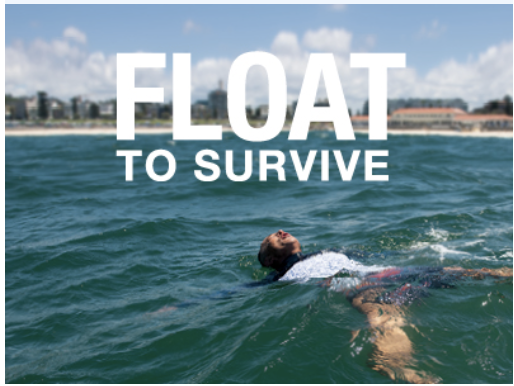
“Float to Survive”: A Proven Drowning Prevention Message
Water safety organisations increasingly promote floating as the best immediate response when someone gets into trouble in the water. Campaigns such as “Float to Survive” highlight that even weak swimmers dramatically improve their survival chances if they can float calmly.
People who panic and attempt to swim frantically often tire quickly, inhale water, or lose coordination. Floating conserves energy and helps the body stabilise naturally.
Why Children Naturally Struggle in Emergencies
Many toddler drownings occur after accidental falls into water. Young children often:
Panic immediately
Attempt to stay vertical
Cannot lift their head effectively
Remain face down
Exhaust themselves quickly
Without the ability to roll onto their back and breathe, the situation can escalate within seconds.
Studies consistently show that drowning is not simply caused by poor swimming ability — it often results from the inability to achieve and maintain a breathing position.
Floating Conserves Energy and Reduces Panic
Floating on the back places the body in a stable, horizontal position. This allows the child to:
Rest and recover
Control breathing
Stay calm
Maintain body heat
Prepare to move toward safety
In open water conditions such as rip currents, floating may even allow a person to drift to calmer areas or remain visible for rescue.
The KASS Approach: Survival Skills First
At Kids Aquatic Survival School, we focus on teaching infants and young children how to gain and maintain a safe breathing position independently.
If a child is strong enough and safety is within reach, they learn to alternate short swimming movements with floating to breathe — a proven survival sequence.
Learning to Self-Rescue in Real Conditions
True water competence goes beyond pool skills. Children need abilities that work in real-world environments where water may be cold, murky, moving, or unpredictable.
KASS students also practice:
Orientation after disorientation in water
Reaching and holding techniques
Grasping pool edges or objects for safety
Conserving energy while awaiting assistance
These skills prepare children for situations they may encounter throughout life.
Back Floating Builds Future Swimming Skills Too
Although back floating is taught primarily for survival, it also forms the foundation for advanced swimming techniques.
Benefits for swimming development include:
Improved body position and balance
Better breath control
Introduction to rotational breathing
Preparation for freestyle and backstroke
Foundation for survival backstroke
Survival backstroke is particularly valuable because it allows forward movement while maintaining breathing and conserving heat.
Why Back Floating May Not Be a Child’s Favourite — But Is Vital
Many children initially prefer upright play in the water. However, the ability to lie calmly on the back can feel unfamiliar at first.
With consistent instruction and support, children learn that floating is safe, comfortable, and empowering. Over time, this skill becomes instinctive — exactly what is needed in an emergency.
Survival Swim Lessons for Babies, Toddlers, and Young Children
If you are searching for:
Infant swimming lessons (6 months+)
Toddler swim classes near me
How to teach a child to float
Drowning prevention programs for kids
Survival swim schools in Australia
Water safety training for young children
Kids Aquatic Survival School offers specialised programs designed to save lives.
Give Your Child the Skill That Could Save Their Life
Back floating is simple, effective, and universally applicable across aquatic environments. Teaching this skill early provides protection that lasts a lifetime.