Muscle memory and swimming with children
What is Muscle Memory?
Muscle Memory and Swimming: Why Repetition Saves Lives
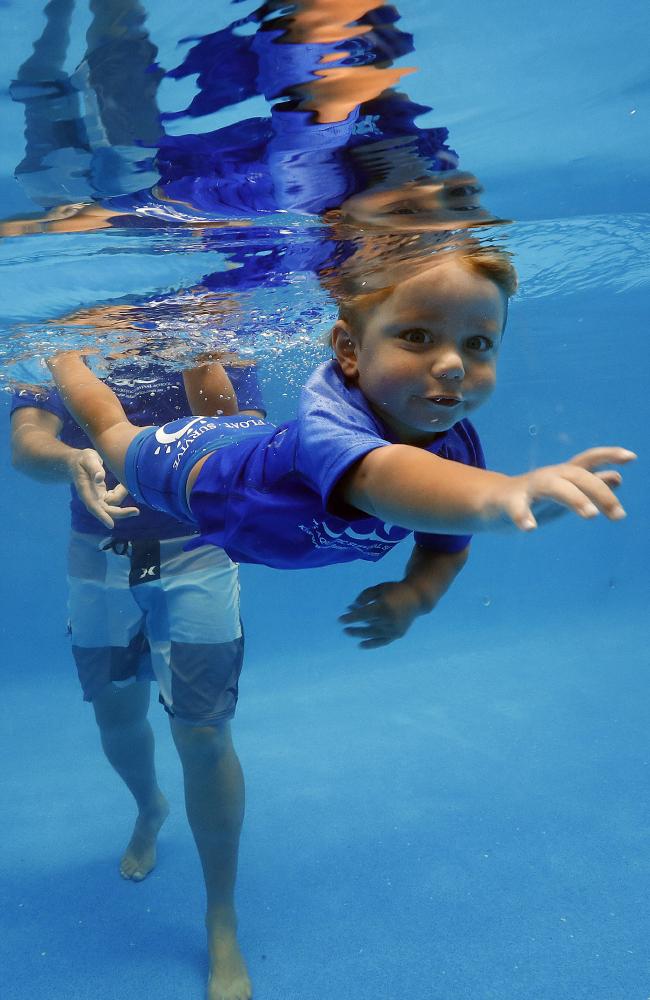
At Kids Aquatic Survival School (KASS), we don’t just teach children how to swim — we train their bodies and brains to respond automatically in water.
Understanding muscle memory in swimming is essential to understanding why our Survival and Learn to Swim Program is structured the way it is.
What Is Muscle Memory?
Muscle memory is an unconscious process where repeated movements become automatic over time.
Through consistent practice, the neuromuscular system stores motor skills in the brain. Eventually, movements can be performed:
- Without conscious thought
- With improved coordination
- With faster reaction time
- With greater efficiency
Babies are not born with muscle memory. They are not born knowing how to crawl, walk, or balance. These skills develop through repetition, trial and error, and consistent practice.
As children master walking, they fall less. Their balance improves. They progress to running and jumping. The same principle applies to swimming and aquatic survival skills.
Why Muscle Memory Is Critical for Water Safety
In an aquatic emergency, there is no time to “think” about what to do.
Children must respond instinctively.
At KASS, our goal is for infants and young children to:
- Automatically orient themselves in water
- Roll into a back float
- Rest and breathe independently
- Maintain calm and controlled movement
This automatic response is developed through structured, repetitive survival swim training.
Muscle memory plays a crucial role in drowning prevention.
Correct Technique from Day One
At Kids Aquatic Survival School, we emphasise correct swimming form from the very beginning.
Why? Because repetition builds habits — good or bad.
For example:
A child who has previously been taught to swim in a vertical position with their head lifted to breathe may develop inefficient movement patterns. This “head-up” posture:
- Reduces buoyancy
- Causes fatigue
- Disrupts breath control
- Reinforces incorrect muscle memory
Breaking poor swimming habits takes time, focus, and consistency.
That’s why our intensive survival swim program is delivered:
- 5 days per week
- For a minimum of 40 x 10-minute lessons
High-frequency lessons allow children to replace incorrect patterns with safe, efficient, survival-based muscle memory.
Consistency creates competency.
The Three Stages of Motor Learning in Swimming
KASS instructors are trained in:
- Child development and learning theory
- Behavioural science
- Anatomy and physiology
- Physics in the aquatic environment
This allows them to guide children through the three recognised stages of motor learning:
The child is first introduced to the swimming skill. They think about each movement carefully.
Repetition begins. The skill improves with guided practice and correction.
The movement becomes automatic. The child performs the survival skill without conscious thought.
This final stage is where true aquatic survival muscle memory is established.
Why Repetition Improves Reaction Time
When a skill is memorised by the brain, the muscles respond more quickly and fluidly.
The time between:
? The brain deciding to move
? The muscles executing the movement
Becomes shorter.
In water safety, reaction time matters. Automatic movement can make the difference between panic and survival.
How Quickly Can Children Develop Swimming Muscle Memory?
With commitment and consistency, children can develop strong survival swimming muscle memory in just weeks.
Our experience teaching infants and toddlers shows that frequent, focused practice accelerates skill retention and confidence.
The ultimate goal of the KASS Survival and Learn to Swim Program is for every child to:
- Instinctively orient themselves in water
- Roll to a back float automatically
- Rest, breathe, and remain calm
- Apply their skills without hesitation
Building Safer Swimmers Through Science-Based Training
At Kids Aquatic Survival School, our structured program combines:
- Evidence-based motor learning principles
- High-frequency swim lessons
- Correct technique from day one
- Breath control and body positioning
- Consistency and repetition
This science-backed approach ensures children don’t just learn to swim — they develop automatic survival responses.
Learn More About Our Survival Swim Program
If you’re looking for:
- Infant swimming lessons
- Toddler survival swim training
- Drowning prevention programs
- Intensive learn-to-swim programs
- Water safety education for young children
Contact Kids Aquatic Survival School today.
? 1800 543 779
? [email protected]
Kids Aquatic Survival School – Teaching Skills That Save Lives.
#MuscleMemory #SurvivalSwim #WaterSafety #DrowningPrevention #InfantSwimming #ToddlerSwimming #LearnToSwim #ConsistencyCreatesCompetency
References:
Ellis-Christensen, T. (2012). What is Muscle Memory. Available: http://www.wisegeek.org/what-is-muscle-memory.htm. Last accessed 2nd Dec 2012.
Mack, S. (2012). Does Muscle Memory Affect The Percentage in Basketball? Available: http://www.livestrong.com/article/448564-muscle-memory-affect-percentage-basketball/#ixzz26i9yQVFS. Last accessed 2nd Dec 2012.
Morley, K. (2012). Muscle Memory. Available: http://sportsnscience.utah.edu/musclememory/. Last accessed 2nd Dec 2012.
Shadmehr, R and Brashers-Krug, T. (1997). Functional Stages in the Formation of Human Long-Term Motor Memory. The Journal of Neuroscience. 17 (1), p409-419.
Muscle Memory: A Coaches Perspective
http://www.dna-sports-performance.com/muscle-memory-a-coaches-perspective/