No Bubble Blowing: Why Breath Control Comes First in Infant Swim Lessons
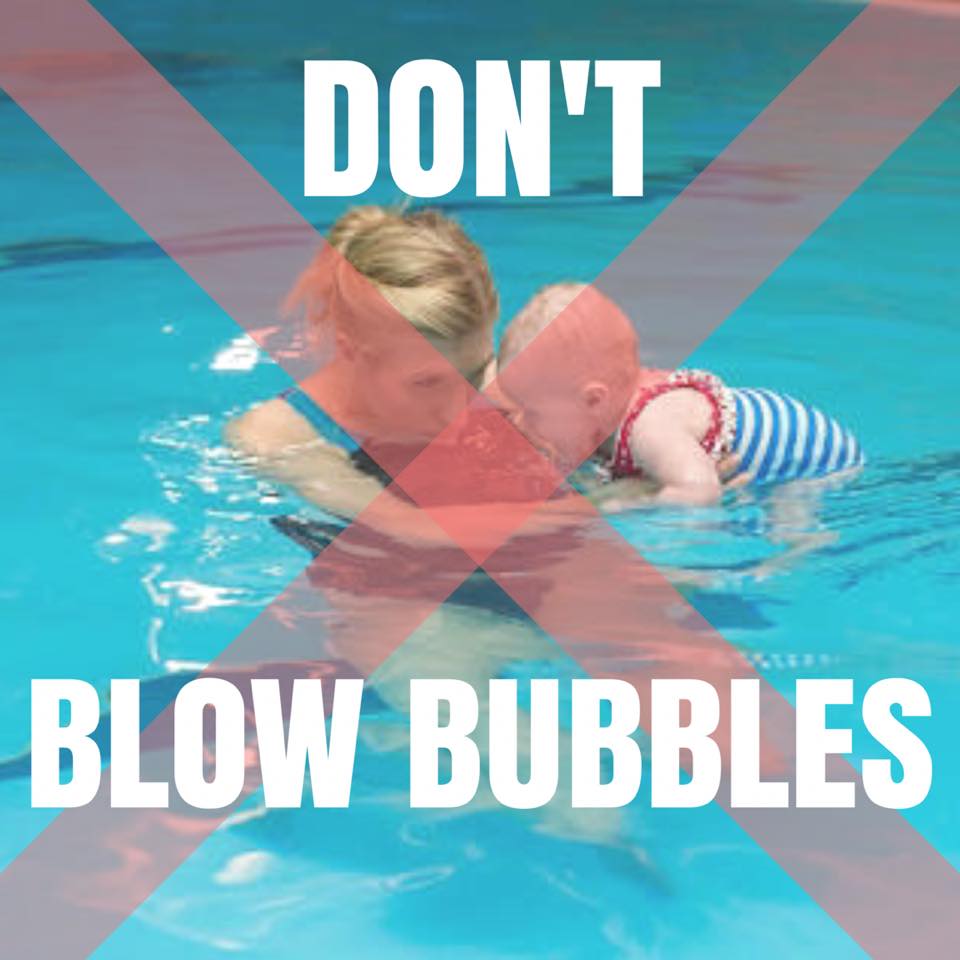
At Kids Aquatic Survival School (KASS), child safety is always our highest priority. That’s why in our infant swimming lessons and toddler survival swim program, we do not teach babies to blow bubbles.
Instead, we focus on something far more important for water safety and drowning prevention: Learned breath control.
Why We Don’t Teach Bubble Blowing in Baby Swim Lessons
Many traditional swim programs encourage infants to blow bubbles underwater. At KASS, we take a different, safety-first approach.
Teaching babies to expel air from their lungs:
- Dramatically reduces how long they can hold their breath
- Decreases buoyancy
- Increases the risk of inhaling water
- Limits survival time in an aquatic emergency
Infants need air in their lungs for buoyancy. Full lungs help keep a child closer to the surface of the water, providing valuable time if they ever fall in unexpectedly.
Blowing bubbles teaches a child to empty their lungs — which may cause them to sink faster.
Breath Control: The Foundation of Survival Swimming
At KASS, breath control is always the first skill established in every lesson.
Breath control is a child’s ability to:
- Hold their breath before submersion
- Keep water out of their airway
- Maintain air in their lungs for buoyancy
Most children under two years of age are not physically capable of independently lifting their head to take a breath. That’s why we teach them a safer response:
- Hold breath
- Submerge safely
- Roll onto their back
- Float and breathe
These are essential aquatic survival skills taught in our accelerated survival swim program.
Why Teaching Bubble Blowing Too Early Can Be Unsafe
The theory behind bubble blowing is that exhaling underwater prevents water inhalation (aspiration).
However, when a child is properly taught professional breath control techniques, the body naturally protects itself from inhaling water.
Blowing bubbles too early can:
- Create confusion with breath timing
- Cause premature inhalation
- Increase water ingestion
- Reduce buoyancy
Babies need to hold their breath to submerge and swim short distances safely. Teaching them to empty their lungs works against this survival instinct.
This is one reason we do not teach survival swim lessons to children under 6 months of age. Developmental readiness matters.
Our Structured Approach to Infant Water Safety
For over 13 years, KASS has taught a wide range of children — including children with additional needs — using our structured, safety-first methodology.
Our program focuses on:
- Breath control mastery
- Independent swimming
- Rolling to a back float
- Resting and breathing independently
- Swimming to the edge or safety
Only once breath control is fully mastered do children progress to transitional lessons, where:
- Diving for submerged objects is introduced
- Stroke development begins
- Controlled, monitored underwater exhalation is taught
By this stage, the child already has strong survival foundations.
Industry Evolution and Ongoing Improvement
The swim industry continues to evolve as research and experience grow. Even well-known swim educators have adjusted their philosophy regarding bubble blowing in children under two, recognising that premature exhalation often leads to immediate inhalation.
At KASS, we are committed to continual improvement while keeping child safety paramount.
Our methods prioritise survival outcomes — not recreational tricks.
Why Parents Choose Kids Aquatic Survival School
Families choose KASS because we focus on:
- Evidence-based survival swim training
- Infant and toddler water safety
- Breath control before skills progression
- Accelerated survival swim programs
- Drowning prevention education
We teach children to respond to the natural aquatic environment, not to cues from an instructor. That difference matters in a real-life emergency.
Book Your Child Into Our Accelerated Survival Program
If you are searching for:
- Infant swim lessons focused on water safety
- Toddler survival swimming
- Drowning prevention programs
- Breath control swim training
- Safe learn-to-swim programs for babies
Contact Kids Aquatic Survival School today.
? 1800 543 779
? [email protected]
Kids Aquatic Survival School – Safety Before Smiles. Survival First.
#BreathControl #WaterSafety #InfantSwimLessons #DrowningPrevention #SurvivalSwim #KidsAquaticSurvivalSchool