Retained Primitive Reflexes (RPR) in Children and the Benefits of Swimming
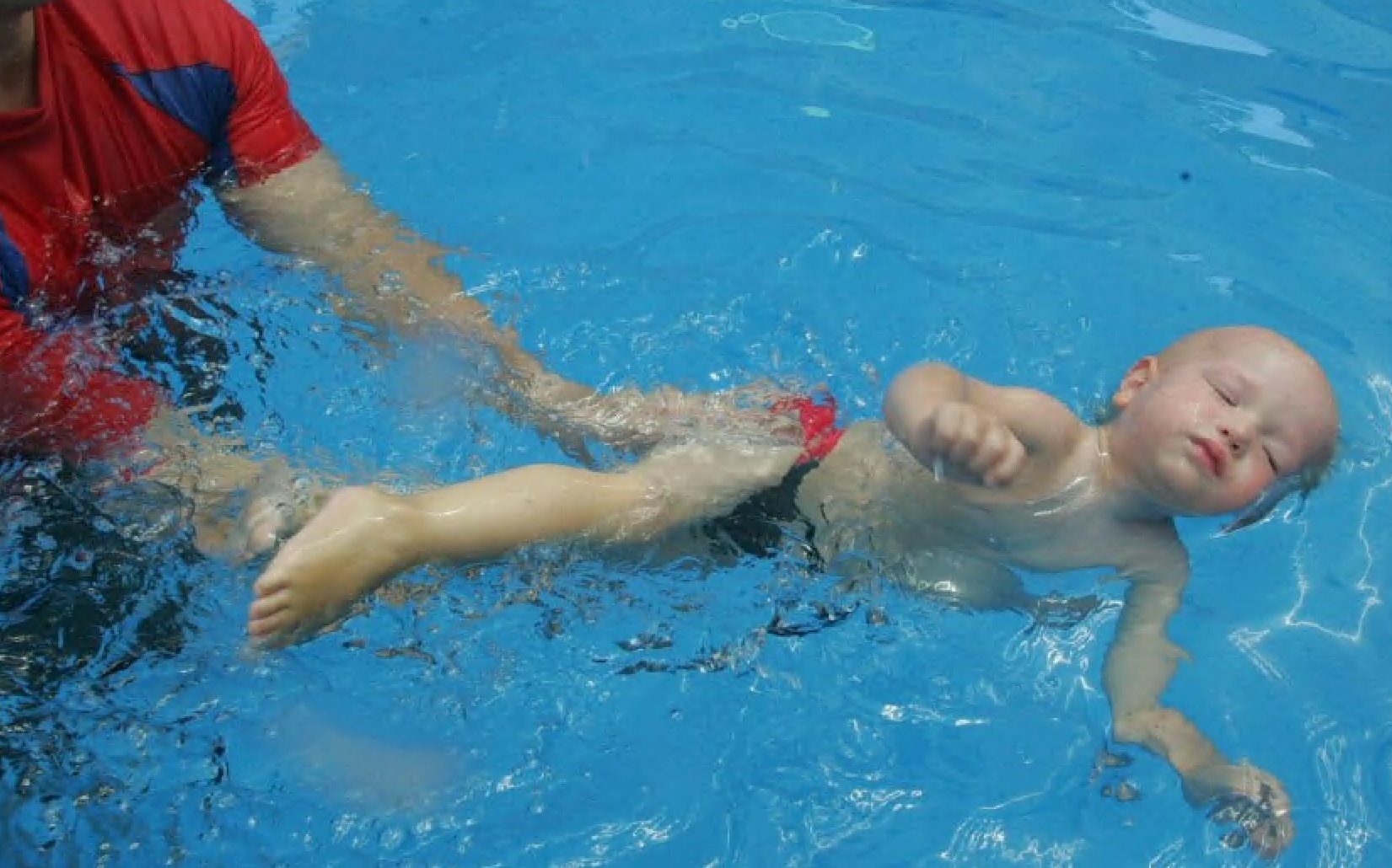
At Kids Aquatic Survival School (KASS), we understand that every child develops differently. For some children, retained primitive reflexes (RPR) can affect movement, learning, behaviour, and confidence — including in the water. Our specialised infant and toddler survival swim program is designed to support children’s physical and neurological development while teaching essential water safety skills.
Parents searching for “learning difficulties in children,” “motor development activities,” “swimming for sensory development,” or “water therapy for kids” are often interested in how aquatic programs can help.
What Are Primitive Reflexes?
Primitive reflexes are automatic movement patterns that develop in the womb and are present at birth. They help newborns survive and begin interacting with the world, gradually integrating as the brain matures during the first year of life.
When these reflexes do not integrate as expected, they are referred to as Retained Primitive Reflexes (RPR). Research indicates RPR may interfere with natural development, including psychomotor skills, behaviour, learning, and social functioning.
Early signs can appear in infancy, but many challenges become more noticeable during preschool and early school years.
Common Retained Primitive Reflexes and Their Effects
Asymmetrical Tonic Neck Reflex (ATNR)
Typical integration: 3–9 months after birth
Possible effects if retained:
Poor eye tracking
Difficulty crossing the body midline
Left–right confusion
Reading and writing challenges
Trouble telling time
Symmetrical Tonic Neck Reflex (STNR)
Typical integration: 9–11 months after birth
Possible effects if retained:Poor postureWeak eye–hand coordinationDifficulty focusingTrouble sitting still at a deskChallenges with ball sports or swimming
Tonic Labyrinthine Reflex (TLR)
Typical integration: 2–4 months after birth
Possible effects if retained:
Poor balance and coordination
Disorientation
Visual processing difficulties
Weak sense of timing
Emotional regulation challenges
How Retained Reflexes Affect Learning and Behaviour
Retained primitive reflexes can reduce the brain’s efficiency in processing sensory information. This may impact:
Balance and coordination
Breathing patterns
Visual and auditory processing
Attention and behaviour
Social confidence
Physical stamina
Self-esteem
For some children, busy or unfamiliar environments — including swimming pools — can feel overwhelming due to the intense sensory input.
Why Swimming Can Help Integrate Retained Reflexes
Water provides a unique multi-sensory environment that supports neurological and physical development. Structured swim lessons can gently stimulate the body systems involved in reflex integration.
Research and aquatic therapy programs suggest swimming can help children by:
Strengthening core muscles (tummy, back, neck, shoulders, hips)
Improving posture and body control
Developing balance and coordination
Enhancing body awareness (proprioception)
Stimulating visual, vestibular, and tactile systems
Encouraging bilateral coordination (both sides of the body working together)
Supporting motor planning and sequencing
Building confidence and emotional regulation
These benefits make swimming one of the most effective whole-body activities for young children.
Swimming and Sensory Development in Young Children
For children with learning difficulties or sensory challenges, water can provide both calming pressure and controlled resistance. This helps children feel where their body is in space and improves movement control.
Programs like aquatic learning therapy highlight that many skills required for swimming — breath control, coordination, balance, and sequencing — are also foundational skills for classroom learning and everyday activities.
The KASS Approach: Survival Skills with Developmental Benefits
At Kids Aquatic Survival School, our instructors are trained in:
Child development and learning theory
Behavioural science
Infant anatomy and physiology
Motor skill development
Aquatic safety and survival techniques
Our accelerated survival swim program for children aged 6 months to 6 years focuses first and foremost on water safety — skills that could one day save a child’s life — while also supporting physical and neurological development.
With consistency and supportive instruction, many children with developmental challenges respond positively, gaining both competence and confidence in the water.
Enrol in Survival Swim Lessons at Kids Aquatic Survival School
If you are searching for:
Infant swimming lessons
Toddler swim classes near me
Swimming for sensory development
Water therapy for children
Drowning prevention programs
Survival swim schools in Australia
Kids Aquatic Survival School provides specialised training designed for real-world safety and developmental support.
Call: 1800 543 789
Email: [email protected]
Give your child skills that support development today — and could save their life tomorrow.
Keywords: retained primitive reflexes, RPR children, swimming for sensory development, infant swim lessons, toddler swimming lessons, motor development activities for kids, water therapy for children, survival swim program, drowning prevention, kids aquatic survival school Australia
#RetainedPrimitiveReflexes #ChildDevelopment #SensoryDevelopment #SurvivalSwim #WaterSafety #KidsAquaticSurvivalSchool #FloatingSavesLives